
Someone Hit My Car With Their Door and Left – What Can I Do If I Have the License Plate?
Someone Hit My Car With Their Door and Left – What Can I Do If I Have the License Plate? You walk back to your car and see a dent.
Private Investigator Near Me – 5015 Madison Ave Unit #A90 Sacramento, CA 95841
Enter a plate number to begin your search.
Private Investigator Provides Legal, DPPA-Compliant License Plate Searches | Get Owner Name, Address & Vehicle Details in Minutes
A license plate lookup is a search that reveals the registered owner’s information from a vehicle’s license plate number. As a licensed Private Investigator, I access official DMV databases to provide you with accurate, up-to-date vehicle owner information including the registered owner’s name, current address, vehicle make and model, VIN (Vehicle Identification Number), and registration expiration date.
Unlike free license plate lookup websites that only show basic vehicle information like the make and model, a professional license plate search conducted by a licensed PI provides the complete owner details you need for legal purposes, insurance claims, or court cases. Free sites can’t access protected owner information – only licensed investigators can legally retrieve this data under the Driver’s Privacy Protection Act (DPPA).
When you need to find out who owns a vehicle, whether it’s for a hit-and-run accident, pre-purchase verification, or legal matter, a license plate lookup gives you the registered owner information directly from the state DMV database. This isn’t public information available to everyone – it requires proper legal authority and a valid permissible purpose under federal law.
Just last month, a woman came to me after someone hit her car in a grocery store parking lot and drove off. The damage wasn’t severe – a dented door and scratched paint – but it was going to cost about $1,200 to repair. She filed a police report, but because there were no injuries and the damage was minor, the police department told her they wouldn’t actively investigate. Her insurance company said she could file a claim, but with her $1,000 deductible, it barely made sense.
Fortunately, another shopper had witnessed the incident and wrote down the license plate number. The woman was stuck – she knew who hit her car (or at least had their license plate), but she had no way to get their name and address to file a small claims court case to recover her damages.
That’s where a license plate lookup made all the difference. Within minutes of receiving her request, I ran the plate through the DMV database and provided her with the registered owner’s name and current mailing address. Armed with this information, she was able to:
Without the license plate lookup, she would have had to eat the cost herself or pay her deductible and take the insurance hit. This is exactly why knowing how to find a vehicle owner by license plate number is so valuable – sometimes you’re the only one who can help yourself.
There are dozens of legitimate reasons why you might need to find out who owns a vehicle. Here are the most common situations where my clients use license plate owner lookup services:
Someone damaged your car in a parking lot and left without leaving a note. Maybe a witness got the plate, or you caught it on your dashcam. The police often won’t investigate minor property damage cases, leaving you to pursue the claim yourself in small claims court. You need the owner’s name and address to file the lawsuit.
A shopping cart, car door, or another vehicle hit yours. You saw it happen or someone left you a note with the plate number. Insurance companies require a police report and the other party’s information to process a claim without using your deductible.
You’re buying a used car from a private seller on Craigslist, Facebook Marketplace, or OfferUp. You want to verify that the person selling the car is actually the registered owner before you hand over thousands of dollars. A license plate search confirms the seller’s identity matches the registration.
You witnessed an accident and got the plate number, but you need to identify the vehicle owner to provide a statement to insurance companies or attorneys. Your testimony could help an innocent person prove they weren’t at fault.
Someone is repeatedly driving by your house, following you, or parking outside your home. You have the license plate number and need to identify who owns the vehicle for a police report or restraining order. This is one of the most common reasons people need license plate lookups for personal safety.
You need to serve legal documents to someone, but you only have their vehicle information. A license plate lookup provides their current registered address, which is often more accurate than outdated databases. This is critical for lawsuits, divorce papers, and court summons.
Someone owes you money and has moved without providing a forwarding address. You know their vehicle and plate number. A license plate search gives you their current registration address so you can locate them for debt recovery.
You suspect someone is committing insurance fraud – perhaps claiming a vehicle as totaled when it’s still being driven, or filing false accident claims. A license plate lookup can verify vehicle ownership and help investigators build their case.
Before getting into an Uber, Lyft, or rental car, you want to verify the license plate matches what’s shown in the app. Or maybe you’re a property owner and want to verify a tenant’s vehicle registration matches what they claimed on their application.
You’re a towing company, property manager, or HOA that needs to identify the owner of an abandoned vehicle on your property. You need to send proper legal notice before towing or filing a lien.
When you order a license plate lookup from Lance Casey & Associates, here’s exactly what happens:
You submit the license plate number and the state where the vehicle is registered. The more accurate your information, the faster I can get you results. If you’re not sure about a character (is that a “0” or an “O”?), let me know and I can check variations.
You select your permissible purpose under the Driver’s Privacy Protection Act. This is a federal requirement – I can’t legally access protected DMV data without a valid reason. Common purposes include litigation, debt recovery, insurance investigation, or use by a licensed private investigator on your behalf.
As a licensed Private Investigator (License #27617), I have legal access to restricted DMV databases that the general public cannot access. This isn’t a “free license plate lookup” website scraping old data – this is real-time, current registration information directly from the state motor vehicle authority.
Within minutes (if I’m online) or within a few hours maximum, you’ll receive a comprehensive report with the registered owner’s information. If the plate is protected under DPPA or no records are found, you’ll receive a full refund under my money-back guarantee.
You might be wondering: “Can’t I just use a free license plate lookup site?” Here’s why that won’t work for most situations:
Free sites only show vehicle information – They’ll tell you it’s a 2018 Honda Accord, but they can’t legally access or display the owner’s name and address. That’s protected information under DPPA.
Free sites have outdated data – Many pull from salvage databases, auction records, or years-old information. The owner information is often wrong because the vehicle has been sold multiple times since their data was last updated.
Free sites can’t be used for legal purposes – If you’re filing a lawsuit, serving papers, or making an insurance claim, you need official, verified information from the DMV. Free website printouts won’t hold up in court.
Licensed PIs access current DMV records – When I run a license plate lookup, I’m getting the same information the police would see – current registered owner name and address as of today. This is legally defensible and acceptable for court proceedings.
Yes, license plate lookups are completely legal when conducted for a permissible purpose under the Driver’s Privacy Protection Act (DPPA). This federal law was enacted in 1994 to protect personal information while still allowing legitimate access for legal, safety, and business purposes.
The Driver’s Privacy Protection Act regulates who can access motor vehicle records and for what purposes. It doesn’t prohibit license plate lookups – it just requires that you have a valid reason that falls under one of the permissible uses defined by law.
Under DPPA, you can legally obtain vehicle owner information for these purposes:
Litigation or Pre-Litigation – You’re involved in a lawsuit or planning to file one. This includes hit-and-run cases, property damage claims, personal injury cases, and small claims court. You need the owner information to properly serve legal documents or file your case.
Debt Recovery – Someone owes you money and you need to locate them. This includes unpaid loans, bounced checks, or someone who skipped out on rent. You can use license plate information to find their current address for collection purposes.
Insurance Investigation – You’re an insurance company investigating a claim, or you’re a policyholder trying to identify another party involved in an accident. This is one of the most common legitimate uses.
Government Agency Use – Law enforcement, courts, and other government agencies conducting official business. This includes process servers working on behalf of the courts.
Motor Vehicle Safety or Theft – Identifying stolen vehicles, investigating vehicle safety issues, or recovering property. This doesn’t include vehicle manufacturers conducting recalls – they have separate access.
Licensed Private Investigator Use – This is where I come in. Licensed PIs can access motor vehicle records when working on behalf of clients who have a permissible purpose. When you hire me to run a license plate lookup, I’m conducting the search under my PI license on your behalf.
Towing or Impound Operations – Towing companies and property owners need to identify vehicle owners to provide proper legal notice before towing or filing liens on abandoned vehicles.
Employer Verification – Companies verifying information for employees with commercial driver’s licenses, as required under federal transportation regulations.
You cannot legally obtain vehicle owner information for:
When you order a license plate lookup from me, you’re certifying that you have a valid permissible purpose. Misrepresenting your purpose is a violation of federal law and can result in criminal and civil penalties.
DPPA violations are serious. If you obtain motor vehicle records under false pretenses or use them for an unauthorized purpose, you could face:
This is why I take DPPA compliance seriously. I’m not going to risk my PI license or your legal exposure by conducting searches for illegitimate purposes. If your situation doesn’t fit a permissible use, I’ll tell you upfront.
As a licensed Private Investigator, I provide license plate searches for vehicles registered in all 50 states. Here’s what you need to know about nationwide license plate lookups:
I have access to motor vehicle databases across the United States. Whether the vehicle is registered in Florida, Texas, New York, or any other state, I can retrieve the current registration records that include:
While DPPA is federal law, many states have additional privacy protections. Certain individuals can request confidential registration in most states, including:
If a license plate comes back as “protected” or “confidential,” it means the registered owner has obtained special privacy protection status. In these cases, even licensed private investigators cannot access the owner information, and you’ll receive a full refund under my money-back guarantee.
When you work with a licensed PI for your license plate lookup, you get:
I can conduct license plate searches for vehicles registered in any state, though turnaround times may vary slightly depending on the state’s database access protocols.
When you order a license plate lookup from Lance Casey & Associates, your report will include:
This information is exactly what you need to file legal documents, serve court papers, contact insurance companies, or pursue debt collection. It’s the same information law enforcement would use to identify a vehicle owner.
No legitimate service can provide registered owner information for free. While there are “free license plate lookup” websites, they only show basic vehicle information like make and model – not the owner’s name and address. That’s protected personal information under DPPA that requires legal access through a licensed professional.
Free sites typically pull data from salvage auctions, insurance databases, or old records. The information is often years out of date and completely useless for identifying the current owner. If you need actual owner information for legal purposes, you need a licensed PI with direct DMV database access.
If I’m online when you submit your request, you’ll typically receive results within minutes. During business hours Monday through Friday, most searches are completed within 1-2 hours. If you submit a request after hours or on weekends, you’ll receive your results the next business day.
The vast majority of license plate lookups are instant – I run the plate, pull the DMV record, and send you the report immediately. Delays only occur if there’s an issue with the plate number (incorrect format, plate doesn’t exist) or if the record is protected.
Yes, I can search license plates from all 50 states. I have access to motor vehicle databases nationwide. Out-of-state searches may take slightly longer (typically same-day or next-day) depending on the state’s database system.
Some states have faster database response times than others. Florida, Texas, and New York searches are usually instant. Smaller states may take a few hours. Regardless of the state, you’ll receive the same comprehensive owner information.
If the registered owner has obtained confidential status (law enforcement, judges, domestic violence victims), the record will come back as protected or restricted. In these cases, even licensed private investigators cannot legally access the information.
When this happens, you’ll receive a full refund under my money-back guarantee. You’re not paying for unsuccessful searches – you only pay when I can actually provide you with the owner information you need.
Yes. When I conduct a license plate lookup through DMV databases, there’s no notification sent to the vehicle owner. They have no way of knowing that their registration information was accessed. This is a standard investigative search that doesn’t alert the subject.
However, what you do with the information after receiving it is your responsibility. If you use it to file a lawsuit, serve papers, or contact them directly, obviously they’ll become aware. But the search itself is confidential.
The information comes directly from official state DMV databases – the same source law enforcement uses. It’s as accurate as the information the owner provided when they registered their vehicle.
The most common issue is when someone has moved and hasn’t updated their address with the DMV. Most states require you to notify the DMV within 10-30 days of moving, but many people don’t comply. In these cases, you’ll receive the last address on file, which may not be current.
For vehicle information (make, model, VIN), the data is always accurate because it’s tied to the permanent vehicle record.
A license plate lookup searches by the plate number and returns the current registered owner information. A VIN (Vehicle Identification Number) lookup searches by the 17-character VIN and returns vehicle history, ownership records, and registration information.
Use a license plate lookup when you have the plate number and need to identify the owner – such as in hit-and-run cases or when you see a suspicious vehicle. Use a VIN lookup when you’re buying a used car and want to check its history, verify ownership, or look for salvage titles and accident records.
Both searches can reveal owner information, but license plate lookups are more common because it’s easier to see someone’s plate than to get their VIN (which is typically inside the vehicle on the dashboard).
Absolutely. This is one of the most common uses. When you file a small claims lawsuit, you need the defendant’s full legal name and current address to properly file and serve the case. A license plate lookup provides exactly that information.
The DMV record I provide is an official document that courts accept as proof of vehicle ownership and registered address. You can attach it to your small claims filing to demonstrate you’ve identified the correct defendant.
Yes, if you’re a business, attorney, or insurance company that needs multiple plate searches, I can provide volume pricing. Contact me directly to discuss your needs and I’ll create a custom package.
This is common for process servers who need to locate multiple defendants, towing companies tracking abandoned vehicles, or attorneys handling mass tort cases.
I’ve been a licensed Private Investigator for over 25 years (License #27617). This isn’t a side hustle or a database reseller – this is my full-time profession. I understand the legal requirements, the investigative process, and most importantly, I have the proper licensing to access restricted DMV records legally.
Unlike online services that scrape public records or pull from outdated databases, I have direct access to official state DMV registration systems. This means you get current, accurate information – the same data law enforcement sees when they run a plate.
I take federal and state privacy laws seriously. Every search I conduct is done in compliance with the Driver’s Privacy Protection Act and state vehicle code requirements. I won’t put you or myself at legal risk by conducting searches for improper purposes.
When you need information quickly – whether it’s for court filing deadlines, insurance claims, or time-sensitive investigations – I deliver. Most searches are completed within minutes during business hours. I understand that when you need to identify a vehicle owner, time matters.
You only pay for successful searches. If I can’t locate records for the license plate you provide, or if the record is protected under DPPA, you receive a full refund. No questions asked. You’re paying for results, not for me to try and fail.
The only exceptions are if you provide an incorrect plate number or if the plate doesn’t exist (wrong state, wrong format). In those cases, I’ve still done the work to search, but I’m happy to re-run a corrected plate at no additional charge.
I’ve been conducting investigations for over 25 years. I understand court procedures, know how police departments handle hit-and-runs, and I’m familiar with the insurance claim process that my clients navigate.
When you work with an experienced investigator rather than a national database service, you get someone who understands your specific situation and can provide guidance beyond just running a search.
I carry full professional liability insurance and maintain active PI licensing. This protects both you and me in the unlikely event of any issues with the investigation.
If your license plate lookup is just the first step in a larger investigation, I can help. I offer:
Many clients start with a simple license plate lookup and then need additional services to build their case. Having a full-service PI means you don’t have to start over with someone new.
Ready to find out who owns that vehicle? Here’s how to get started:
If you have any questions before ordering, you can reach me at (916) 672-2193 or message me on Facebook, WhatsApp, or through the contact form. I’m happy to discuss your specific situation and confirm that a license plate lookup is the right solution for your needs.
Get the information you need to move forward with your case. Start your license plate lookup now.
Someone Hit My Car With Their Door and Left – What Can I Do If I Have the License Plate? You walk back to your car and see a dent.
Florida License Plate Search: How to Legally Identify the Registered Owner Florida License Plate Search is often requested after a hit and run accident or when someone needs the registered
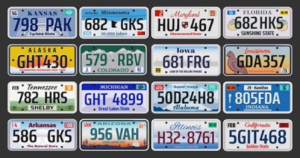
Private Investigator License Plate Lookup In the shadowy world of private investigation, information is king. Often, a single license plate number can unlock a treasure trove of details, leading investigators
Can I Lookup a Florida License Plate Number? Public databases do not show owner names or addresses.Licensed private investigators can access lawful records for valid purposes. Start a License Plate

Michigan License Plate Lookup Services If you’re interested in finding information about a vehicle registered in Michigan, a license plate lookup can provide you with important details. As a licensed
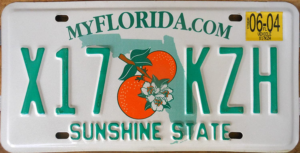
Florida License Plate Lookup Are you trying to identify the owner of a vehicle in Florida for a legal matter, insurance claim, or any other permissible purpose under the Driver’s