Private Investigator Near Me – 5015 Madison Ave Unit #A90 Sacramento, CA 95841
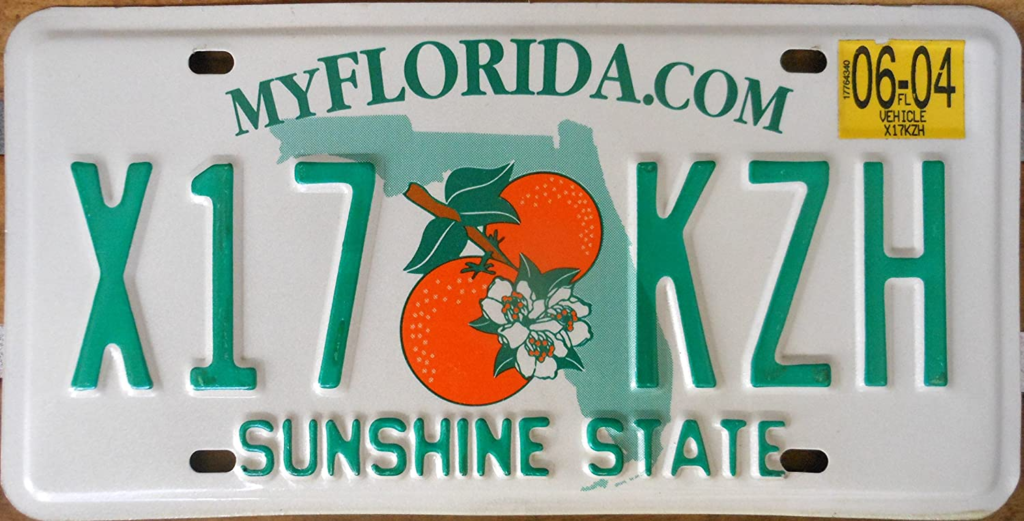
Florida License Plate Search: How to Legally Identify the Registered Owner
Florida License Plate Search is often requested after a hit and run accident or when someone needs the registered owner’s name and address for a legal matter.
Many people think they can type a plate number into a website and get the owner’s information. That is not how it works.
In Florida, vehicle owner records are protected. The law limits who can access that information and why.
If you are dealing with a legal issue, there is a proper way to handle it. This article explains what is allowed, what is not, and how lawful access works.
Short Answer: Can You Do a Florida License Plate Search?
Yes, but only under certain conditions.
The registered owner’s name and address are not public record in Florida. That information is protected under a federal law called the Driver’s Privacy Protection Act, or DPPA.
You cannot legally obtain private vehicle owner information just because you are curious.
However, the law does allow access when there is a legitimate legal purpose, such as a hit and run accident, a civil claim, or another court-related matter.
Is a Florida License Plate Search Public Record?
The plate number itself is visible on the vehicle. Anyone can see it.
But the owner’s name, home address, and personal details are not public.
The Florida Department of Highway Safety and Motor Vehicles keeps that information protected.
This means a Florida license plate search will not give you the owner’s private information unless it is done for a lawful reason.
What Is the Driver’s Privacy Protection Act?
The Driver’s Privacy Protection Act is a federal law passed to protect personal information in motor vehicle records.
It limits who can access DMV records and for what purpose.
The DPPA was created to prevent misuse of personal information. It protects drivers from having their home address and other details released to the public.
The law does allow access when there is a valid legal reason. That includes certain court matters, insurance claims, and investigations connected to legal proceedings.
Without a lawful reason, the information cannot be released.
When Is a Florida License Plate Search Legal?
A Florida license plate search is legal when it is tied to a legitimate purpose under the law.
Common examples include:
Hit and run accidents
Civil lawsuits
Insurance investigations
Fraud cases
Court filings
It is not legal to look up a plate number just to see who someone is or where they live.
The purpose matters.

Florida License Plate Search for Hit and Run Cases
One of the most common reasons people request a Florida license plate search is after a hit and run.
Here is a real case I handled.
A woman was driving her SUV when another vehicle hit her and left the scene. The damage to her SUV was minor. She called the police and filed a report.
Because the damage was small, the police told her they would not pursue it.
A witness at the scene had written down the Florida license plate number of the vehicle that left.
She contacted me and ordered a Florida license plate lookup through Lance Casey & Associates.
She needed the registered owner’s name and address so she could move forward legally.
After confirming that her request was tied to a legitimate legal purpose, I conducted the search in compliance with the law.
I provided her with the registered owner’s name and address.
With that information, she was able to take the next legal steps available to her.
That is how a Florida license plate search is meant to work. It is not about curiosity. It is about helping someone move forward in a lawful way.
Why Free Florida License Plate Lookup Websites Do Not Provide Owner Information
There are many websites that claim to offer a free Florida license plate lookup.
Most of these sites do not provide private owner details.
At best, they may show:
Vehicle make
Model
Year
General specifications
They do not provide the registered owner’s name and home address.
That information is protected under the DPPA.
If a website promises full owner details with no verification of purpose, that is a red flag.
How Lance Casey & Associates Handles Florida License Plate Searches
Lance Casey & Associates is a licensed private investigation firm.
For over 25 years, I have handled real cases involving vehicle records and legal matters.
When someone requests a Florida license plate search, the first step is determining whether the request qualifies under the law.
The purpose must be tied to a legal proceeding or legitimate investigation.
If the request qualifies, the search is conducted in compliance with the Driver’s Privacy Protection Act.
The goal is simple. Provide accurate information for lawful use.
Not for gossip. Not for curiosity. Only for legitimate cases.
How do I find out who a license plate belongs to in Florida?
You cannot find out who a license plate belongs to in Florida through public record searches.
Owner information is protected under the Driver’s Privacy Protection Act.
If you need the information for a legal matter, such as a hit and run case, you must follow lawful procedures. A licensed private investigator can assist when there is a legitimate legal purpose.
Is it legal to look up license plates in Florida?
Yes, it is legal to look up license plates in Florida when the purpose qualifies under the law.
The DPPA allows access to motor vehicle records for certain legal and official reasons.
It is not legal to search for personal information out of curiosity.
Are Florida license plates public record?
The plate number itself is visible and public.
The owner’s personal information is not public record.
That information is protected and cannot be released without a lawful reason.
Can you legally look up a license plate number?
Yes, but only under specific legal conditions.
A Florida license plate search must be tied to a legitimate purpose under federal law.
When done properly, it can help someone move forward with a civil claim, insurance case, or other legal matter.
Frequently Asked Questions
Can I look up a Florida license plate for free?
You can search general vehicle details online, but you cannot legally access the registered owner’s private information for free.
Owner data is protected under federal law.
Can I get an address from a Florida tag number?
An address may only be obtained when there is a lawful reason that qualifies under the Driver’s Privacy Protection Act.
It is not available for casual searches.
Does the Florida DMV release owner information?
The Florida DMV releases motor vehicle record information only under specific legal conditions.
Requests must meet the standards set by federal law.
What qualifies as a legal purpose under the DPPA?
Legal proceedings, insurance claims, fraud investigations, and certain official matters may qualify.
The request must be legitimate and connected to a lawful need.
Conclusion
Florida License Plate Search is not about curiosity. It is about legal access to protected information when there is a valid reason.
Registered owner information in Florida is protected under the Driver’s Privacy Protection Act. It is not public record.
If you are dealing with a hit and run or another legal matter and need to identify the registered owner of a Florida vehicle, there is a lawful process to follow.
Lance Casey & Associates handles Florida license plate searches for legitimate legal cases, in compliance with federal law.
If you need help with a Florida license plate search for a legal proceeding, submit your request through the service page and take the next step the right way.